Know what to expect.Every step.
Everything you need before your draw — what to eat, what to skip, what to bring, and how to read what comes back. No anxiety. No surprises.
Five things to knowbefore you arrive.
Preparation affects accuracy. These aren't bureaucratic rules — they're the conditions that make your results meaningful.
Fasting — 8 to 12 hours for most panels.
An overnight fast is required for accurate glucose and lipid readings — the two most critical markers in most LifeVitals panels. Water is fine during the fast. Tea and coffee are not, even without sugar or milk. Fruit juice is not. If you take medication in the morning with water, that is fine — do not stop any prescribed medication without medical advice.
Book a morning slot if you can. Fasting from dinner the night before is far easier than trying to fast through an afternoon.
Hydration — drink more water than usual the day before.
Well-hydrated veins are easier to draw from and produce cleaner samples. In the 24 hours before your appointment, drink at least 2 litres of water. On the day itself, continue drinking water right up until your appointment. Dehydration is the most common cause of a difficult draw — and the easiest to prevent.
Alcohol and strenuous exercise — avoid for 24 hours before.
Alcohol affects liver enzyme readings and can artificially elevate triglycerides. Strenuous exercise — a heavy gym session, a long run — can temporarily elevate muscle enzymes (creatine kinase, ALT) and affect inflammatory markers. Neither of these will cause you harm, but they will make your results harder to interpret accurately. A casual walk is fine. Your usual prescription medication is fine.
Medications — continue as normal, but tell the phlebotomist.
Do not stop any prescribed medication before your draw. Certain medications affect specific markers — thyroid medication affects TSH, for example, and statins affect lipid profiles. This does not mean you skip them. It means the phlebotomist notes them on your file so your Clariti summary can account for the effect. Tell the phlebotomist everything you are currently taking — prescription, over-the-counter, and supplements.
What to bring — three things.
Bring a valid photo ID (national ID, passport, or driver's licence). Bring your booking confirmation — printed or on your phone. Wear clothing with easy access to your inner arm — a short-sleeved shirt or a top with sleeves you can roll up is ideal.
If you have previous lab results you'd like the phlebotomist to note for context, bring those too. They won't affect your draw but can be useful when reviewing your Clariti summary.
What to expectwhen you arrive.
The draw itself takes 10 to 15 minutes. Here is what happens, in order.
Check-in & ID verification.
Show your booking confirmation QR code and photo ID at the collection point. The phlebotomist will confirm your panel, review any medications you're taking, and note them on your file. This takes about 5 minutes.
The blood draw — 10 to 15 minutes.
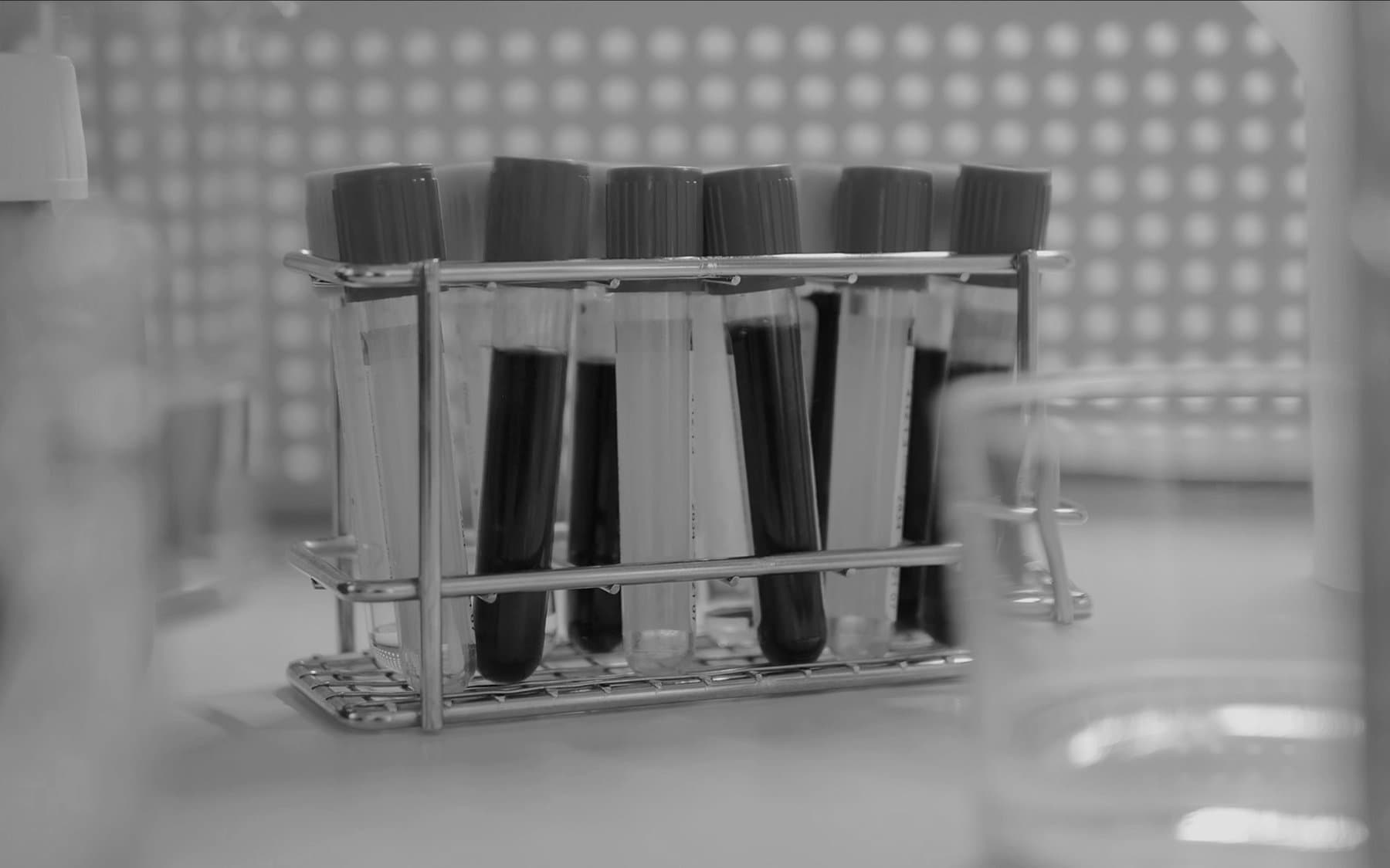
A single venepuncture from your inner arm. Most panels require 2 to 4 vials depending on what is being tested. The vials are barcoded and documented immediately — your sample is traceable from the moment it leaves your arm. If you have a history of faintness during blood draws, tell the phlebotomist beforehand.
Sample transfer & what happens next.
Your sample goes to our accredited partner laboratory the same day. Processing takes 5 to 7 days depending on the panel. You'll receive your PDF results and Clariti summary to your email within 7 days. No follow-up appointment required to understand your results.
What the numbersactually mean.
Select a health area to see the key markers, their reference ranges, and what a flagged result typically indicates. This is the context your raw lab PDF doesn't include.
Blood Sugar & Diabetes Risk
The most important metabolic markers for the Jamaican population, given diabetes rates nearly three times the global average. Both fasting glucose and HbA1c should be checked together — one shows where you are today, the other shows where you've been over the past 3 months.
Find the guidemost relevant to you.
Some health concerns need a more targeted approach. These guides cover the panels and preparation notes most relevant for specific conditions, life stages, and concerns.
Diabetes & Blood Sugar
Best for anyone monitoring blood sugar, with family history of diabetes, or with symptoms of fatigue, frequent thirst, or unexplained weight changes.
Cardiovascular Risk
Best for anyone with family history of heart disease or stroke, men over 35, and anyone with high blood pressure, smoking history, or elevated stress levels.
Nutritional Deficiencies
Best for anyone experiencing persistent fatigue, poor concentration, or hair and nail changes — and for vegetarians, vegans, and women of reproductive age.
Hormonal & Thyroid Balance
Best for women with irregular periods, fertility concerns, PCOS symptoms, or unexplained weight changes — and for anyone with persistent fatigue or mood changes.
Men's Performance & Vitality
Best for men noticing reduced energy, motivation, or libido — and for men over 40 who want a comprehensive baseline that includes prostate health markers.
Fertility & Maternity
Best for women trying to conceive, currently pregnant, or in the postpartum period. Reference ranges during pregnancy differ significantly — Clariti accounts for this.
What thePDF tells you.
Your raw lab PDF uses standard clinical notation. Values outside the reference range are flagged with an [H] for high or [L] for low. Most people see several flagged values and immediately assume the worst — which is rarely warranted.
A single value outside the reference range is context-dependent. Reference ranges are statistical averages — they describe the middle 95% of the population, not the healthy 100%. A borderline-high TSH in a 25-year-old woman with no symptoms means something different to a borderline-high TSH in a 55-year-old man with fatigue and weight gain.
This is why Clariti exists. It doesn't just read individual values — it reads the pattern, applies your age, gender, and stated symptoms, and explains what the combination actually means for you specifically.
The glossary on the right covers the abbreviations most commonly seen in LifeVitals results. If something in your results isn't explained here or in your Clariti summary, contact us directly on WhatsApp — we'll explain it.
Glycated haemoglobin — a 3-month average of blood sugar levels. More informative than a single fasting glucose reading for diabetes risk.
Estimated glomerular filtration rate — a measure of how well your kidneys are filtering waste. A decline over successive tests is the most important signal, not the absolute value.
High-sensitivity C-reactive protein — a marker of systemic inflammation. Elevated levels are associated with cardiovascular and metabolic risk.
Thyroid-stimulating hormone — the primary marker for thyroid function. High TSH suggests an underactive thyroid; low TSH suggests an overactive one.
Liver enzymes. Elevated values can indicate liver stress — but can also be temporarily elevated by strenuous exercise within 24 hours of the draw.
LDL is "bad" cholesterol — elevated levels increase cardiovascular risk. HDL is "good" cholesterol — higher levels are protective. Both matter more in combination than in isolation.
White blood cell count — a measure of immune activity. Elevated counts can indicate infection or inflammation; low counts can indicate immune suppression.
Prostate-specific antigen — a marker used in prostate health screening for men. Elevated PSA warrants follow-up but is not diagnostic of cancer on its own.
Now all that's leftis to book.
No referral · Results in 7 days · Clariti summary included